
Let’s talk whiskey
A Guide to Bourbon, Scotch, Single Malt, and More at Empire Social Lounge
It is one of the oldest, most complex, and most celebrated spirit categories in the world. And once you understand what is in the glass, you will never look at it the same way again.
The Category
There is a reason whiskey has endured for centuries while other trends have come and gone. It is not nostalgia. It is depth. No other spirit category offers the range, the complexity, the regional character, and the sheer variety that whiskey does. From the smoky coastlines of Islay to the limestone-filtered springs of Kentucky, every bottle tells a story about the land it came from and the hands that made it.
Whiskey has also never been more exciting than it is right now. The category has exploded in the last decade, with craft distilleries launching across the United States, Japan producing expressions that rival anything coming out of Scotland, and a new generation of drinkers approaching the glass with genuine curiosity rather than intimidation.
If you have ever been handed a whiskey and not known where to start, this is your guide. Understanding the basics changes everything about how you experience what is in the glass.
Every bottle of whiskey tells a story about the land it came from and the hands that made it.
The Education
Whiskey is a broad category with deep roots across multiple countries, each with its own traditions, rules, and flavor profiles. The differences between styles are not just technical distinctions. They translate directly into what you taste in the glass. Here is a breakdown of the major expressions you will encounter at our bar.
America's native spirit. By law, bourbon must be made from at least 51% corn, aged in new charred oak barrels, and produced in the United States. The result is a sweeter, fuller spirit with notes of vanilla, caramel, toasted oak, and baking spice. Kentucky's limestone-filtered water gives it a distinctive mineral quality. Approachable and bold at the same time.
Scotch is defined by where it is made and how it is aged, minimum three years in oak. The five regions of Scotland each produce a dramatically different profile. Speyside tends toward honey and fruit. Highlands lean earthy and robust. Islay is famous for its bold peat and smoke. Lowlands are lighter and floral. Campbeltown is coastal and briny. Scotch rewards exploration across all of them.
A single malt is made from 100% malted barley at a single distillery. This is where whiskey gets most personal. Single malts showcase the specific character of one place, one team, and one process without blending from multiple distilleries. The difference between two single malts from the same region can be as dramatic as two different wines from the same valley. This is the collector's category.
Irish whiskey is typically triple distilled, which produces a notably smoother and lighter spirit than its Scottish counterpart. Aged a minimum of three years, it tends toward floral, fruity, and approachable profiles that make it one of the most accessible entry points into the category. It has also seen a serious craft renaissance in recent years with small Irish distilleries producing exceptional limited expressions.
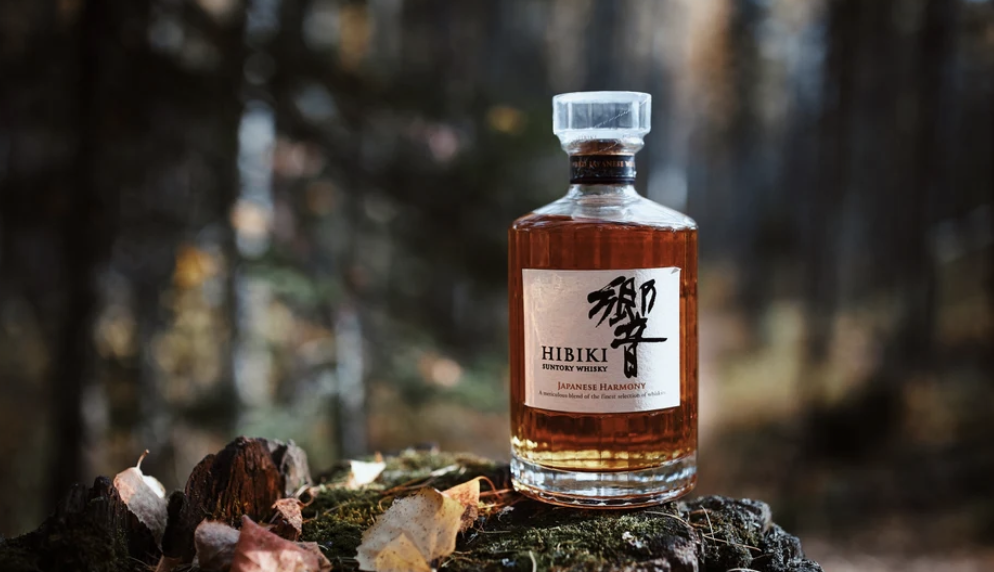
Japan entered the whisky world by studying Scottish tradition and then refining it with Japanese precision and attention to detail. The result is a style known for its balance, delicacy, and complexity. Lighter in body than Scotch with subtle fruit, floral, and wood notes. Japanese whisky has become one of the most sought-after categories in the world and some expressions are genuinely difficult to source.
Made from a mash of at least 51% rye grain, American rye whiskey is drier, spicier, and more assertive than bourbon. It has a peppery backbone and a leaner profile that makes it the bartender's choice for classic cocktails like the Manhattan and the Old Fashioned. If you enjoy bourbon but want something with more edge and complexity, rye is the natural next step.
The Craft
Understanding the styles is one thing. Understanding what separates a great bottle from an average one is where the real education begins.
Age matters, but it is not everything. Time in the barrel develops complexity and smooths out the rougher edges of a young spirit. But more years does not automatically mean better. A well-made eight-year expression will outperform a poorly crafted twenty-year one every time. What the distiller puts into the barrel matters as much as how long it stays there.
The barrel is doing most of the work. Up to 70% of a whiskey's final flavor comes from the oak it was aged in. The type of barrel, its previous contents, its char level, the climate of the warehouse, and even where it sits on the rack all contribute to the final character of what ends up in your glass. This is why the same distillery can produce dramatically different expressions from different barrel programs.
Water source changes everything. The mineral content of the water used in production directly affects the flavor of the spirit. Kentucky's limestone-rich water is one of the primary reasons bourbon tastes the way it does. Scotland's soft Highland water creates a completely different foundation. This is one of the reasons whiskey made in one place simply cannot be authentically replicated somewhere else.
What to Look for in the Glass
- Color — deeper amber typically indicates longer barrel aging or more heavily charred oak
- Nose — swirl gently and let it breathe before you smell. Add a few drops of water to open up the aromatics
- Palate — sip slowly and let it coat the full mouth. Note what you taste in the first, middle, and finish
- Finish — how long the flavor lingers after you swallow is one of the best indicators of quality
- ABV — higher proof whiskeys carry more flavor intensity. Do not be afraid of cask strength expressions
- Trust your palate — there is no wrong answer. What you enjoy is the right pour for you
The Experience
We have built one of the more serious whiskey programs in South Florida across both Brickell and Las Olas. The selection spans every major category and reaches into rare, limited, and allocated expressions that you will not find on most bar menus. Whether you are starting your whiskey journey or you already have a strong point of view about what is in your glass, our bar team can meet you exactly where you are.
If you are not sure where to start, that is what we are here for. Tell your bartender what you enjoy or what you are curious about and let them guide you. We also offer whiskey flights that let you explore multiple expressions side by side so you can taste the differences firsthand without committing to a full pour of something unfamiliar.
Whiskey Wednesdays at both locations are built specifically around this kind of exploration. Featured pours, curated selections, and the kind of atmosphere that makes a weeknight feel like an occasion. It is one of the best nights of the week to come in, slow down, and discover something new in the glass.
Come Explore the Pour
Ask your bartender about our whiskey selection or let them build you a flight. Whether you are new to the category or looking for something rare, we have a pour worth sitting down for.